


Seacons Takes Delivery of Dual-Fuel Eco-Ships and Upgrades Fleet to IMO Tier III Standard to Deepen Layout in Southeast Asia’s Low-Carbon Shipping Market
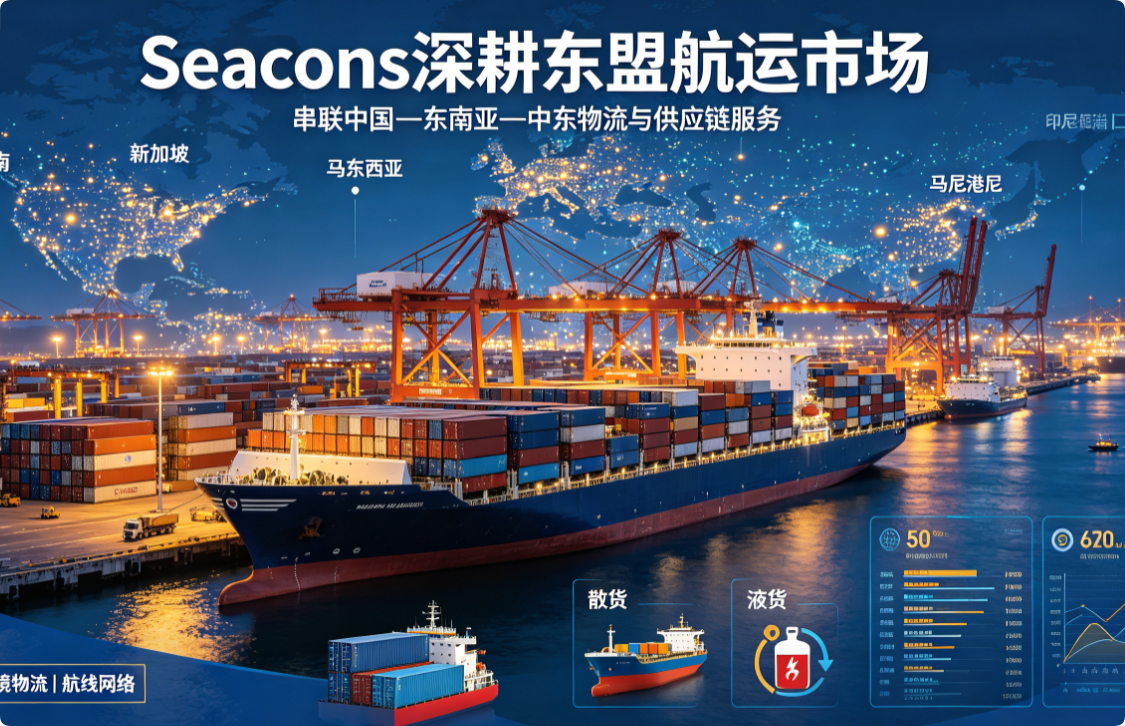
Seacons Shipping steadily pushes forward the green transformation of its fleet, takes delivery of batches of dual-fuel eco-friendly vessels complying with IMO Tier III standards and increases voyage frequencies on core Southeast Asian routes.
Against the backdrop of increasingly stringent global carbon neutrality policies for shipping, multiple regulatory frameworks including the EU Carbon Border Adjustment Mechanism, CII Carbon Intensity Indicator ratings and the EEXI Existing Ship Energy Efficiency Index have entered into force, driving a continuous surge in operating costs for ageing, fuel-intensive vessels. As a leading shipping enterprise with deep roots in the Southeast Asian market, Seacons Shipping has steadily advanced the green transformation of its fleet. On one hand, it takes delivery of batches of newly built methanol and LNG dual-fuel vessels; on the other hand, it carries out energy efficiency retrofits for its existing tonnage to continuously optimize the fleet’s energy mix, capturing dividends from the regional green shipping market with young, low-carbon capacity.
Recently, multiple dual-fuel eco-friendly vessels of Seacons have completed delivery and acceptance one after another. All new ships are designed and constructed in strict compliance with the IMO Tier III environmental standards set by the International Maritime Organization, equipped with exhaust after-treatment, vapour recovery and intelligent energy consumption control systems. These vessels drastically cut emissions of sulphur oxides, nitrogen oxides and carbon dioxide. When berthing at ports with strict environmental supervision across Southeast Asia such as Singapore, Malaysia and Vietnam, they can smoothly pass maritime inspections and qualify for policy incentives including berthing fee discounts and priority customs clearance.
Supported by its brand-new portfolio of low-carbon vessels, the company has significantly increased voyage frequencies on three core trade lanes: Southeast Asia – Middle East, Southeast Asia – Northeast Asia, and Southeast Asia – Australia, mainly transporting bulk commodities including coal, grain, chemical feedstocks and oil products. Compared with conventional fuel-powered ships, dual-fuel vessels generate far fewer pollutant emissions and allow flexible switching to clean energy fuels. This effectively hedges operational risks stemming from sharp swings in global bunker fuel prices and helps cargo owners stabilize cross-border logistics expenses.
Beyond green upgrades to its owned fleet, leveraging its top-10 global ship management expertise, Seacons provides all-in-one low-carbon vessel solutions for numerous small and medium-sized shipowners across Southeast Asia. Its service portfolio covers vessel energy efficiency testing, CII rating optimisation, technical retrofits for ageing vessels, carbon emission data reporting, and green bunkering consultation. For small and medium shipping companies operating extensive Southeast Asian routes, its professional team customises carbon reduction plans based on vessel trade lanes and sailing frequencies, helping partner vessels avoid compliance risks such as port detention and heavy fines.
Up to the present, Seacons owns and manages more than 40 vessels across four segments: dry bulk carriers, product tankers, chemical tankers and new-energy dual-fuel ships, with route networks covering major global trade regions including Southeast Asia, the Middle East, Australia, Europe and the Americas. As trade activity under the RCEP continues to pick up, seaborne demand for import and export bulk commodities in Southeast Asia grows steadily, and low-carbon, compliant specialised tonnage has become a core competitive advantage for shipping companies.
Maritime industry analysts comment that major Southeast Asian ports will keep raising environmental access thresholds for vessels in the future, making green shipping an inevitable industry trend. By proactively building its dual-fuel fleet and launching low-carbon ship management services, Seacons can effectively mitigate operational pressures brought by various carbon regulations while further entrenching its market standing in Southeast Asia’s niche shipping sectors. With integrated green, large-scale and professional service capabilities, the Group will facilitate sound and stable growth of regional cross-border trade.

The content on this site is for learning and communication purposes only. It does not provide financial services such as account opening, capital allocation, discretionary trading, or insider trading. Do not trust any private messages recommending stocks or following orders within the site.