


Navigation Resumes in the Strait of Hormuz; Seacons Optimizes Middle East-Southeast Asia Chemical Shipping Routes to Secure Stable Regional Liquid Bulk Supply Chains
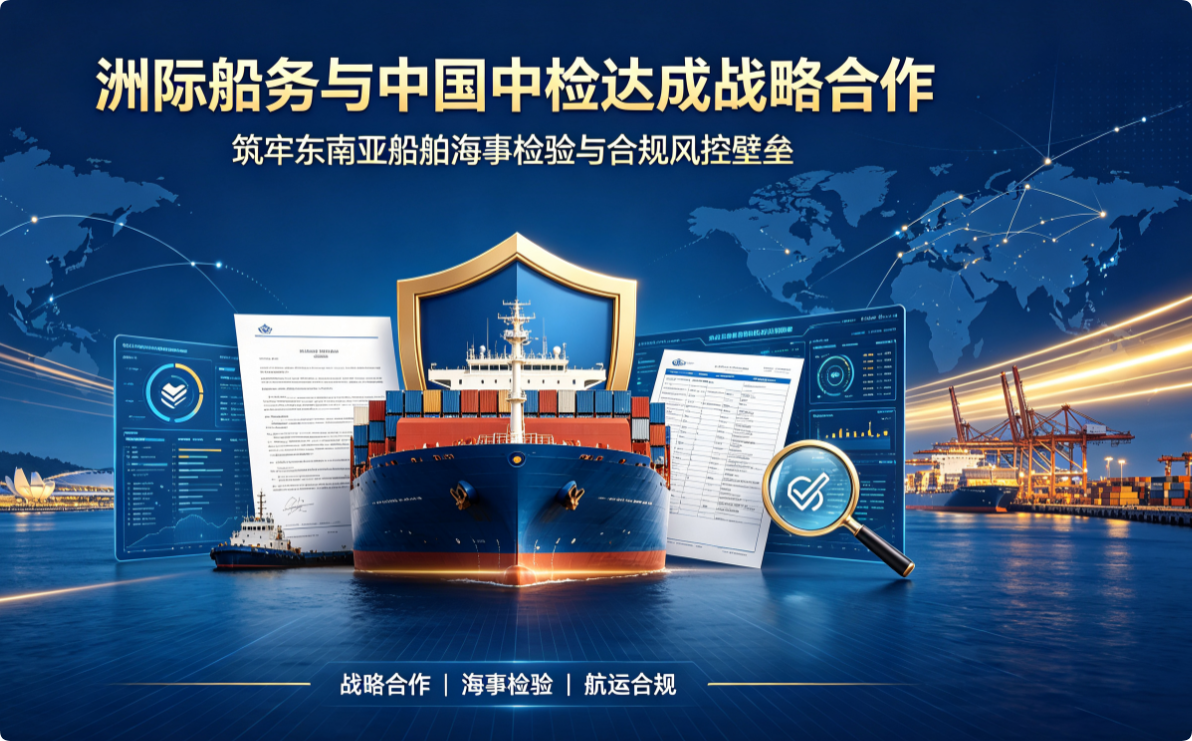
As navigation through the Strait of Hormuz gradually returns to normal, Intercontinental Shipping has adjusted the route layout of its chemical tanker fleet and increased maritime shipping frequencies for chemical raw materials between the Middle East and Southeast Asia. Relying on its professional stainless steel liquid cargo vessels, the company ensures a stable supply of raw materials for ASEAN’s petrochemical industrial chains.
English Translation (Formal Shipping Industry Style)
As navigation order in the Strait of Hormuz gradually recovers, exports of basic chemical feedstocks from the Middle East have continued to pick up. Leveraging its specialized stainless steel chemical tanker fleet, Seacons dynamically optimizes core liquid cargo shipping routes linking the Middle East and Southeast Asia, increases sailing frequencies for liquid cargoes including methanol, industrial solvents, vegetable oils and chemical intermediates, fully safeguards steady imports of raw materials for petrochemical industrial chains in ASEAN countries such as Vietnam, Indonesia and Malaysia, and facilitates a return to sound growth for cross-border regional chemical trade.
Previously, short-term navigation disruptions in the Strait of Hormuz triggered by geopolitical tensions forced numerous vessels carrying Middle Eastern chemical raw materials to take lengthy alternative routes. This created tight supply of feedstocks like methanol and base oils across Southeast Asia, alongside sharp volatility in regional freight rates for chemical maritime transport. With normalized navigation in the strait now established, Seacons flexibly deploys multiple IMO Tier III eco-friendly chemical tankers in light of the latest shipping geopolitical developments. It has reoptimized two major liquid cargo trunk routes: Middle East – Singapore – Vietnam and Middle East – Malaysia – Indonesia. Using Singapore as an international petrochemical transshipment hub for cargo distribution, the company serves major chemical industrial parks throughout Southeast Asia, significantly cutting raw material transit times and eliminating extra logistics costs caused by route diversions.
The Group’s 4,981 DWT stainless steel chemical tankers enable safe carriage of Category II and III hazardous liquid chemicals, fully equipped with inert gas protection and vapor recovery safety & environmental systems. The vessels comply with hazardous cargo loading and supervision standards at Middle Eastern ports and smoothly pass maritime environmental inspections across Southeast Asian nations, suiting diversified transportation demands of current regional chemical trade. For large petrochemical clients with long-term shipping agreements, the company provides customized COA (Contract of Affreightment) services to secure stable tonnage, hedge against drastic short-term freight volatility, and guarantee uninterrupted raw material supplies for factory production.
In addition to raw material import routes from the Middle East, Seacons has boosted short-sea chemical shipping frequencies within Southeast Asia, undertaking short-distance transshipment of fine chemicals and biofuels between Vietnam, Thailand and Malaysia. Its dense regional route network bolsters coordinated development of industrial chains inside ASEAN. Meanwhile, aligned with the joint maritime patrol and control mechanism of the three littoral states of the Strait of Malacca, Seacons optimizes voyage risk control protocols, collaborates with port and maritime authorities on vessel navigation safety early warnings, and delivers all-round safeguards for safe and stable ocean-going liquid cargo transport.
Chemical industry statistics indicate that fueled by RCEP policy dividends, petrochemical production capacity in Southeast Asia keeps expanding, driving steady annual growth in regional liquid bulk shipping demand. Supported by its dedicated chemical tanker fleet and proven cross-regional route operation expertise, Seacons continuously maintains the vital Middle East–Southeast Asia chemical maritime transport artery. This not only consolidates its competitive edge in the niche specialty liquid shipping sector, but also safeguards the security and stability of regional bulk commodity supply chains.

The content on this site is for learning and communication purposes only. It does not provide financial services such as account opening, capital allocation, discretionary trading, or insider trading. Do not trust any private messages recommending stocks or following orders within the site.